

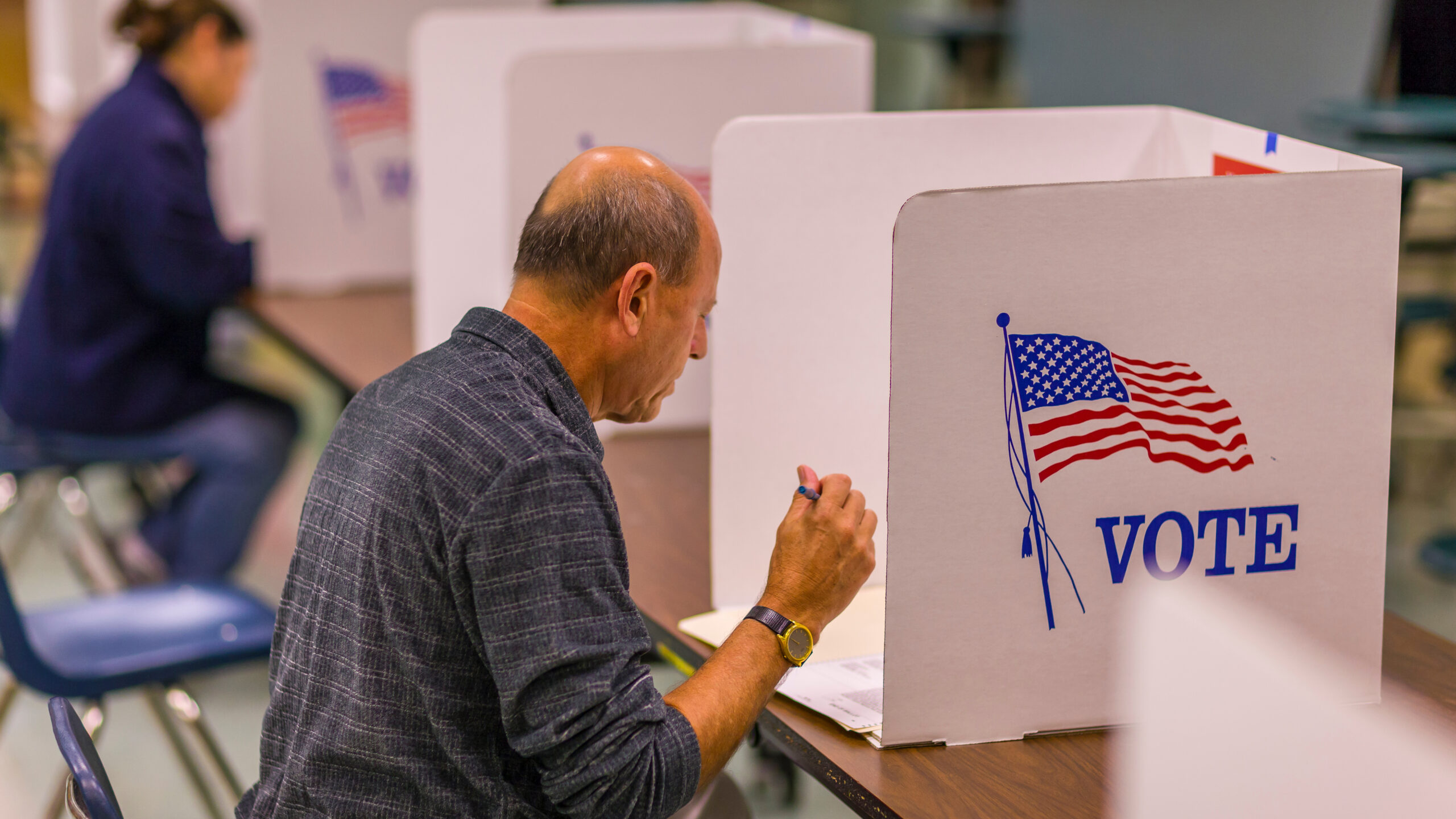
CHICAGO — Illinois’ latest primary elections have delivered more than just winners and losers. They’ve exposed a growing divide within Democratic politics — one shaped by money, influence and an increasingly vocal group of voters pushing back.
For months leading up to election day, the races were dominated by one clear factor: outside spending. Millions of dollars flowed into key contests from super PACs and political groups, turning what might have been routine primaries into high-stakes battles.
But when the votes were counted, the results told a more complicated story.
Big Money Meets Voter Resistance
In several major races, candidates backed by powerful political spending groups performed well. But just as many high-profile efforts fell short, suggesting that money alone isn’t always enough to decide elections.
Voters across Illinois appeared more aware than ever of the role outside funding was playing. Campaign ads flooded television screens and social media feeds, often overshadowing the candidates themselves.
For some voters, it became too much.
Many expressed frustration at the sheer volume of advertising, questioning whether outside groups were trying to influence local elections too heavily. That frustration seemed to translate into real decisions at the ballot box.
A Divided Democratic Landscape
The results also highlighted ongoing divisions within the Democratic Party.
On one side were establishment-backed candidates, often supported by large donors and national political organizations. On the other were more progressive challengers, some running on platforms focused on campaign finance reform and reducing corporate influence.
In several races, establishment candidates managed to hold their ground. But in others, challengers broke through, showing that the party’s base is far from unified.
This split reflects a broader national trend, where Democratic voters are increasingly debating the future direction of the party — particularly when it comes to money in politics.
The Role of Super PACs
Super PACs played a central role in shaping the election landscape.
These groups, which can raise and spend unlimited amounts of money, invested heavily in advertising campaigns, mailers and digital outreach. Their involvement turned local races into high-profile contests, drawing national attention.
However, their mixed success in Illinois suggests that their influence may not be as absolute as once thought.
In some cases, candidates backed by major spending groups won convincingly. In others, they were defeated despite significant financial advantages.
That contrast has sparked renewed debate about whether voters are beginning to push back against the influence of big money in politics.
Voter Sentiment on the Ground
At polling locations across Chicago and other parts of the state, voters shared a common theme: fatigue.
Many said they had been overwhelmed by political messaging in the weeks leading up to the election. For some, it raised concerns about transparency and fairness.
Others pointed to a desire for more grassroots-driven campaigns — ones that rely less on large donations and more on community engagement.
This shift in sentiment could have long-term implications, particularly if it continues into future elections.
Turnout Tells Its Own Story
Voter turnout in the primaries was strong, though not record-breaking.
More than a million votes were cast in key races, reflecting steady engagement from Democratic voters. While it didn’t reach the highs seen in some past election cycles, the participation level suggests that voters are paying attention — especially when the stakes feel higher.
Political analysts note that turnout often reflects interest, and in this case, the combination of competitive races and heavy spending appears to have kept voters engaged.
What This Means Moving Forward
The Illinois primaries may be just one state’s elections, but their impact could extend far beyond.
The results offer a snapshot of where Democratic politics stands right now — and where it might be headed.
For candidates, the message is clear: money matters, but it’s not everything. Voters are paying closer attention, and in some cases, they’re willing to push back.
For political groups and donors, the takeaway is more complex. While financial support remains a powerful tool, it may need to be paired with stronger grassroots connections to be truly effective.
A Changing Political Environment
Elections are often seen as a reflection of the moment, and this one was no different.
Illinois voters didn’t just choose candidates — they sent signals about what they value and what concerns them.
Transparency, authenticity and independence appear to be gaining importance, especially among voters who feel overwhelmed by outside influence.
At the same time, traditional political structures remain strong, creating a landscape where both old and new approaches are competing for attention.
The Bigger Picture
As the U.S. moves closer to future national elections, the lessons from Illinois are likely to resonate.
Other states may see similar patterns, with voters weighing not just the candidates, but also the forces behind them.
The role of money in politics has long been debated, but elections like this show that the conversation is evolving.
Voters aren’t just passive observers — they’re active participants, capable of shaping outcomes in ways that don’t always follow expectations.
Final Takeaway
The Illinois primaries didn’t deliver a simple narrative.
Instead, they revealed a political environment in transition — one where influence is being questioned, divisions are becoming more visible and voters are asserting themselves in new ways.
And if this trend continues, it could reshape not just state-level races, but the broader direction of American politics in the years ahead.